

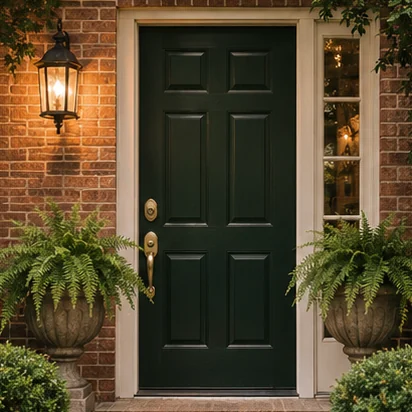
The lock and the door should work together
A deadbolt that turns easily when the door is open but meets resistance when the door is closed gives you useful information. The bolt may be rubbing the strike, the metal plate it enters in the frame. A door that needs to be pulled toward you or lifted by the handle every time you lock it deserves a look at how it sits in the opening. Look for uneven gaps or an obvious mark on the strike and describe what you see. Leave the door intact so the relationship between the lock and the frame can be inspected.
If the bolt is hard to move with the door open, report that too. A key that catches in the cylinder or a thumbturn that feels loose may point somewhere else. Share when the problem started. A freshly painted edge, recent handle replacement or repeated slamming can be relevant. For a door that has swelled, we will ask when it sticks and whether it changes with the weather. That description helps us decide which parts to evaluate before anyone orders new hardware.
Start with the entrances people actually use
A house in an Atlanta neighborhood may have a decorative front door, a side entrance and a garage-to-house door. Walk through how you use them. If you enter from the driveway every morning, that door will get much more use than the front porch. If the delivery and guest entrance is a different one, it might benefit from a different arrangement. Note who uses each door and whether a child, caregiver, cleaner or guest needs access on a regular schedule.
In a condo or rental, separate the unit lock from building-controlled vestibules, pedestrian gates and amenities. The association or property manager may require certain hardware or retain a key for authorized access. Ask about that before you buy anything or arrange a change. Bring a copy of the building's instructions where they apply. If a tenant is arranging the work, confirm what their lease allows and who needs to approve the visit or receive a copy afterward.
Use a door inventory when several things need fixing
Walk the openings that belong to you, beginning where you park and following how people enter on a regular day. A garage-to-house door may need a key change while the front door needs an adjustment. Note which hardware finishes you want to keep and whether a storm door changes the available space around the lock. At a house on a narrow Atlanta lot, work out which driveway or walkway can be used and where a visitor can safely stop. In a shared property, confirm access with the resident or property contact before the appointment.
If a new lock was already purchased, keep its box and model number available. Mention whether it is a keyed lever, keypad deadbolt or another format and whether the existing door has separate holes for the handle and bolt. A door that shows damage near the screw holes or an edge plate needs a fit assessment even when the new part looks the same. Tell us which features matter to you before changing the hardware. Everyday access for a person with limited grip, a child coming home or a guest who should have access only on certain days can lead to different choices.
Use that list to decide which opening has priority. A deadbolt you use each day needs different attention from cosmetic wear on a lock that still works well.
Equipment comparisons
Smart deadbolts for the way you enter
Use these models as reference points. Ask about fit, availability and the work your opening needs before choosing a part.
Schlage Encode Plus
Consider this Wi-Fi model if Apple home key is part of your household setup. Verify door fit and the smart-home requirements for the features you intend to use.
Manufacturer detailsKwikset Halo Select
Compare its keypad and connected features with your existing home system. Check the details of your preferred configuration and how you want to manage guest access.
Manufacturer detailsYale Assure Lock 2
This family includes several keypad and connection options. Choose a version based on key backup, account management and the hub or connectivity you expect to use.
Manufacturer detailsDecide who should keep a key
If your existing hardware works well and you want old keys to stop working, rekeying may be a sensible option. When you need to replace a loose deadbolt or change to a different kind of operation, start by identifying the door and what parts are already fitted. Some doors have a separate deadbolt and latch. Others use a mortise or multi-point assembly with a different footprint. A photo of the edge and both faces of the door can help us understand what you have.
Make an inventory before a move-in appointment. Include the door from an attached garage into the house and any outside entrance to a lower level. Ask which locks can share a key and whether any entrance should stay on its own. You might want a household key that opens two everyday doors while a contractor receives temporary access to one opening. Decide who should hold the spare and where it will be kept once the work is complete.
A keypad or app still depends on a good fit
A motorized deadbolt needs a clear path to extend into the frame. If the present bolt needs a shoulder against the door before it will turn, tell us before you select a smart lock. Door thickness, the spacing of existing holes and clearance around the trim or a screen door can also affect compatibility. A photo of the door edge and the inside trim is more useful than a screenshot of a lock on sale. Confirm whether a building rule applies to visible exterior hardware.
Choose the features you will use. Some households need a code for a caregiver and a clear way to remove it later. Others want to use a phone or integrate the lock with the rest of the home. Decide who manages the account, what the plan is for batteries and what access remains if a phone is unavailable. If a physical key is part of that plan, identify where a spare will be kept and who can reach it.
Try the door before putting the tools away
Check the way the door closes, latches, locks and unlocks from both sides. If the setup includes a keypad, try the access method you will use every day and ask how to add or remove a credential. If a physical key is included, use it yourself. If rekeying was part of the work, the check should include the doors you agreed on and the right set of keys. Leave copies and access instructions with the household members who will actually need them.
Tell us if the door only fails at certain times or if a recent change made it harder to use. A good plan starts with a description of the symptom and the door rather than with a guess about what to buy. If you are working through a list after a move, share the entrance that matters most and put the others in order. That gives us a clear starting point when you call.
Questions about residential locksmith
Can all my doors use one key?
Often the answer depends on the cylinders and key profiles already installed. Include the side and garage-to-house doors when discussing the plan.
What photos help for a smart lock?
A clear view of the inside, outside and edge of the open door shows the existing hardware and its spacing.